Top Alternatives to Glass Screen Protectors for Bulk Buyers and Retailers
In the ever-evolving market of screen protectors, glass screen protectors have long been a popular choice due to their durability and clarity. However, as technology advances and consumer preferences diversify, several viable alternatives have emerged. This blog aims to explore these alternatives, providing bulk buyers, wholesalers, brand owners, and large retailers with insights into other options that could meet their specific needs and preferences.
Top Alternatives to Glass Screen Protectors
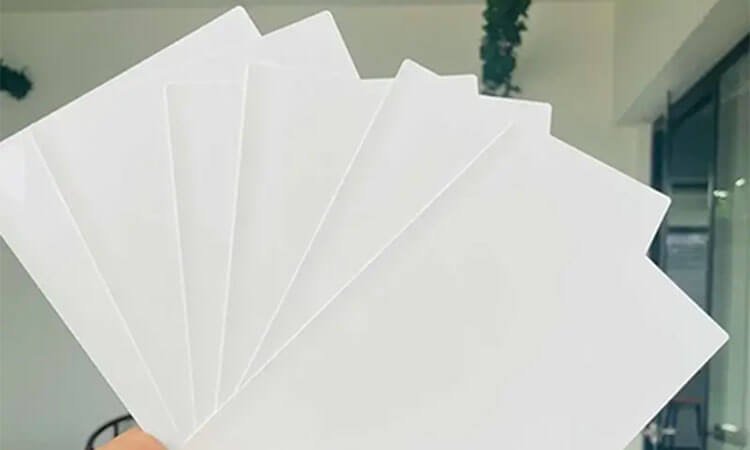
- Plastic Film Protectors: These are usually made from PET (polyethylene terephthalate) or TPU (thermoplastic polyurethane). They are lightweight, flexible, and less prone to shattering. They also tend to be more affordable than glass protectors, making them an attractive option for cost-sensitive buyers.
- Liquid Screen Protectors: These are applied as a liquid that hardens to form a protective layer on the screen. They are virtually invisible and do not alter the screen’s touch sensitivity. However, their effectiveness can vary, and they may need reapplication over time.
- Hybrid Protectors: Combining the best of both worlds, hybrid screen protectors typically feature a multi-layer construction with a hard outer layer and a shock-absorbing inner layer. They offer a balance of protection and flexibility, appealing to a broad range of consumers.
Detailed Comparison of Alternatives
Plastic Film Protectors
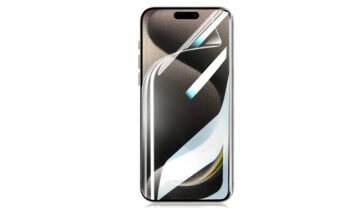
- Durability: Plastic film protectors, especially TPU variants, offer good durability against everyday scratches and minor impacts. They may not be as tough as glass protectors when it comes to significant drops, but they provide sufficient protection for most users.
- Application: These protectors are relatively easy to apply, with many coming in pre-cut sizes for different devices. They often include application kits that help remove air bubbles, ensuring a smooth finish.
- Cost: One of the most significant advantages is their cost-effectiveness. Plastic film protectors are cheaper to produce and purchase, making them ideal for budget-conscious consumers and allowing retailers to maintain attractive price points.
- User Experience: While PET protectors are known for their clarity, TPU protectors are praised for their self-healing properties, which keep the screen looking new over time. However, neither type significantly alters the touch sensitivity or display quality of the device.
Liquid Screen Protectors
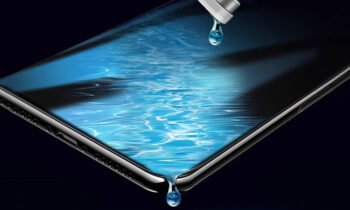
- Durability: Liquid screen protectors form a nano-coating that can resist scratches and minor impacts. However, their effectiveness against severe drops is often questioned. The protection they offer is more suitable for preventing daily wear and tear.
- Application: The application process is simple but requires careful handling. Users need to clean the screen thoroughly before applying the liquid evenly across the surface. Once it dries, it creates an invisible layer of protection.
- Cost: Liquid protectors are generally more expensive than plastic films but cheaper than high-end glass protectors. They offer a middle ground in terms of pricing.
- User Experience: One of the biggest selling points is that liquid protectors do not change the device’s look or feel. They preserve the original touch experience and screen clarity, which can be a significant advantage for users who prefer a minimalist approach.
Hybrid Screen Protectors
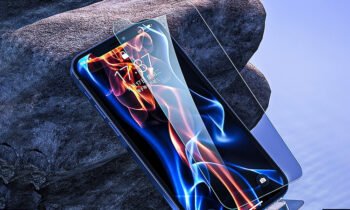
- Durability: Hybrid screen protectors offer superior protection due to their multi-layer construction. The combination of hard and soft layers provides enhanced impact resistance, making them suitable for users prone to dropping their devices.
- Application: While slightly more challenging to apply than plastic films, many hybrid protectors come with installation guides and tools to ensure a perfect fit. They often feature edge-to-edge coverage, providing comprehensive protection.
- Cost: Positioned as premium products, hybrid protectors are more expensive. However, their superior protection justifies the higher price, making them a worthwhile investment for those seeking maximum security for their devices.
- User Experience: Hybrid protectors maintain excellent touch sensitivity and clarity. They add some thickness to the device but offer peace of mind with their robust protection.
Market Trends and Consumer Preferences
As the smartphone market continues to expand, the demand for screen protectors grows alongside it. Consumers are not just looking for protection; they want products that enhance their user experience without compromising on aesthetics or functionality.
Environmental Considerations
Environmental sustainability is becoming increasingly important for consumers. Plastic film protectors made from recycled materials or biodegradable options are gaining popularity. Brands that emphasize eco-friendly practices in their marketing can attract environmentally conscious buyers, setting themselves apart in a crowded market.
Technological Advancements
Customization and Branding
For brand owners and retailers, customization offers a unique selling proposition. Screen protectors can be tailored with specific branding, custom packaging, or additional features like privacy filters that prevent others from viewing the screen at an angle. These customizations can add value and differentiate products in the marketplace.
Consumer Education and Marketing
Educating consumers about the benefits and proper application of different types of screen protectors is crucial. Clear, informative packaging, instructional videos, and in-store demonstrations can help consumers make informed choices and improve their satisfaction with the product. Effective marketing strategies that highlight the unique features and benefits of each type of protector can drive sales and build brand loyalty.
Economic Considerations
From a business perspective, offering a range of screen protectors allows retailers to cater to different market segments. Budget-friendly plastic films can attract cost-conscious consumers, while premium hybrid protectors appeal to those seeking top-tier protection. Liquid protectors can be marketed as innovative solutions for tech enthusiasts. Balancing inventory to include a variety of protectors ensures that retailers can meet diverse consumer needs and maximize their sales potential.
Future Outlook

Conclusion