Impact and Solutions: How Plastic Screen Protectors Affect Display Quality?
The answer
Plastic screen protectors can affect display quality in several ways, including reduced clarity, increased glare, and diminished touch sensitivity. However, advancements in materials and technology have led to the development of high-quality screen protectors like REEDEE’s BU20. This product features a special EPU layer that self-heals from scratches and maintains excellent transparency and adhesion, ensuring minimal impact on display quality.
Analysis and Discussion
Plastic screen protectors are popular due to their affordability and ease of application. However, they often come with trade-offs that can affect the overall user experience. In this section, we will explore how plastic screen protectors impact display quality, the reasons behind these effects, and how innovations like REEDEE’s BU20 can mitigate these issues.
Impact on Display Quality
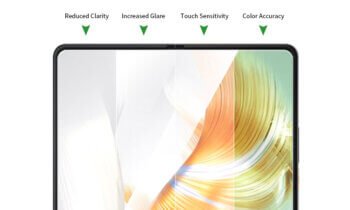
- Reduced Clarity: One of the primary concerns with plastic screen protectors is reduced clarity. Lower-quality plastics may introduce a slight haze or blur to the screen, affecting the sharpness of images and text.
- Increased Glare: Plastic materials can also increase glare under bright lighting conditions. This makes it difficult to view the screen outdoors or under strong indoor lighting.
- Touch Sensitivity: Some plastic screen protectors may reduce touch sensitivity, making it harder to interact with your device smoothly. This is particularly problematic for tasks requiring precision, such as typing or gaming.
- Color Accuracy: Inferior plastic protectors might slightly alter color reproduction by adding a tint or reducing brightness levels.
Reasons Behind These Effects
- Material Quality: The type of plastic used plays a significant role in determining the protector’s impact on display quality. Low-grade plastics are more likely to introduce visual distortions.
- Thickness: Thicker protectors tend to be more durable but may also be more noticeable on the screen, affecting clarity and touch sensitivity.
- Adhesion Quality: Poor adhesion can lead to air bubbles or gaps between the protector and the screen, further degrading display quality.
Solutions
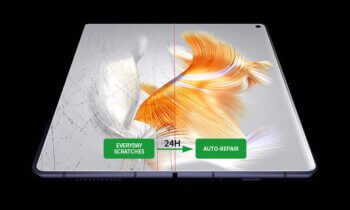
- Better Materials: Using fancy plastics like EPU (Enhanced Polyurethane) can make your screen protector super clear and sensitive while still keeping it strong.
- Special Coatings: Putting special stuff on your screen protector can make it less shiny and easier to see in different lighting.
- Self-Healing: Some screen protectors, like REEDEE’s BU20, can fix little scratches all by themselves, so your screen stays clear and pretty.
Introducing REEDEE’s BU20 Anti-Fingerprint HD Self-Healing EPU Screen Protector
REEDEE has developed an advanced solution with its BU20 Anti-Fingerprint HD Self-Healing EPU Screen Protector. Here are some key features:
- Special EPU Layer: The surface is made of a special EPU layer that repairs itself when scratched or squeezed by external forces.
- Optic Silicon Adhesive: Excellent transparency and adhesion ensure minimal impact on display quality.
- Usage Thickness: 140μm±10µm ensures durability without compromising clarity.
- Product Structure: 80±5µm protective film/ 130±5µm EPU repairing layer + 10±2µm SI layer / 75±3µm fluorine release film
- Transparency: With a transmittance rate of ≥92% and haze less than 1%, it ensures excellent visual performance.
- Self-Healing Effect: Repairs within one minute of minor damage.
- Water Repellency: An angle of water droplets ≥100° ensures easy cleaning and maintenance.
By addressing common issues associated with plastic screen protectors through innovative materials and design, REEDEE’s BU20 offers an effective solution for both tech enthusiasts and general consumers looking for optimal protection without sacrificing display quality.
Conclusion: