How to Check if a Screen Protector is Good: A Complete Guide
2026-06-15
How Touchscreens Work Perfectly with Screen Protectors
Touchscreens are everywhere these days. You’ve got them on your phone, your tablet, and even your smartwatch. And if you’re like most people, you’ve probably got a screen protector on your device to keep it safe from scratches and damage. But have you ever wondered how touchscreens still work with a screen protector on them? In this article, we’ll take a look at the different types of screen protectors out there and how they affect the sensitivity of your touchscreen.
Answer:
The answer lies in the design of both the touchscreen and the screen protector. Most modern touchscreens use something called capacitive technology, which relies on the electrical conductivity of your finger to detect touch. Screen protectors are made from materials that don’t interfere with this conductivity, so your touchscreen stays just as responsive as ever.
There are a few different types of screen protectors on the market, each with its own features to maintain touchscreen sensitivity while still providing protection. For example, plastic film protectors are known for being flexible and thin, so they’re less likely to mess with your touch sensitivity. On the other hand, tempered glass protectors offer better protection against impacts but are still thin enough to keep your touchscreen working like it should.
A lot of screen protectors also come with something called an oleophobic coating. This coating repels oils from your fingerprints, which not only makes your screen easier to clean, but also improves touch sensitivity and clarity. It also makes your screen feel smoother by reducing the friction between your finger and the screen.
Most modern smartphones also have settings that let you adjust the touch sensitivity when you’re using a screen protector. That way, even if there is a slight decrease in sensitivity because of the protector, you can make up for it with some software adjustments.
Let’s Talk About It
To really understand how touchscreens and screen protectors work together, we need to talk about the different types of screen protectors and how they affect touchscreen sensitivity.
Types of Screen Protectors:
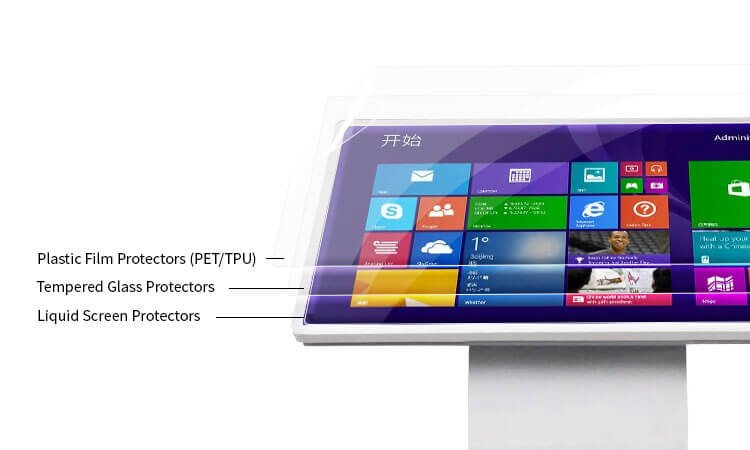
Plastic Film Protectors: These are made from plastic stuff like PET or TPU. They’re thin, bendy, and protect against scratches.
Tempered Glass Protectors: These are made from super strong glass. They protect against scratches and impacts and still let you see the screen.
Liquid Screen Protectors: You put this stuff on the screen and it hardens into a protective layer. It doesn’t mess with touchscreen sensitivity, but it doesn’t protect as well as tempered glass.
How They Affect Touchscreen Sensitivity:
Plastic Film Protectors: These are thin and bendy, so they don’t mess with touchscreen sensitivity too much. But they wear out faster and you have to replace them more often.
Tempered Glass Protectors: These are thicker than plastic film protectors, but they’re still designed to keep touchscreen sensitivity high. The good ones even have coatings that keep fingerprints off and make the screen feel smooth.
Liquid Screen Protectors: This stuff is super thin, so it doesn’t mess with touchscreen sensitivity at all. It also feels just like the regular screen.
How Capacitive Touchscreens Work:
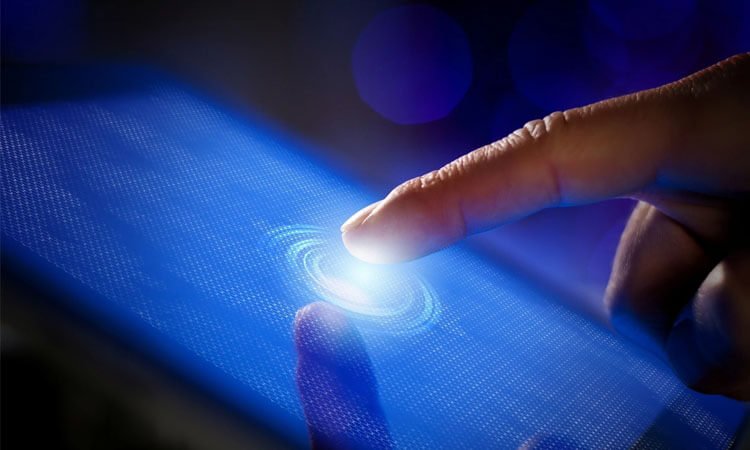
Capacitive touchscreens work by sensing changes in the electrostatic field created by your finger. When you touch the screen, it messes with the capacitance at that exact spot. The sensors in your device then interpret this change as a touch command.
To work well without screwing up this process, a screen protector needs to be made of materials that don’t block or seriously mess with this electrostatic field. High-quality plastic films like PET or TPU are thin enough to not mess with capacitance changes while still giving you basic scratch protection.
Tempered glass protectors go through a process that makes them really strong but still thin enough to keep capacitive functionality. These protectors often have multiple layers, including anti-shatter films that keep glass shards from flying everywhere if they break.
How Thickness of a Screen Protector Affects Sensitivity
The thickness of a screen protector can affect how well it lets your finger’s electrical charge get to the touchscreen sensor underneath. Thicker protectors might make your screen a little less sensitive, but material science has come a long way. Now, even thicker tempered glass protectors can still be really responsive.
Manufacturers make this happen by getting the right mix of layers and using fancy coatings that help with conductivity. For example, some tempered glass protectors have an extra conductive layer that’s there just to make sure your touches are accurate, even if the protector is thicker.
User Experience Adjustments:
If you’re using a screen protector, you might be able to adjust your device’s settings to make the touchscreen more sensitive. These settings are usually found in the settings menu on your device. By turning on these settings, you can make sure your device responds well even if you’re using a thicker or more protective screen cover.
Comparative Analysis of Different Protector Types:
They’re thin, so they don’t affect touch sensitivity much.
They’re flexible, so they’re easy to put on without bubbles.
They’re cheaper than other options.
Cons:
They’re not as strong as tempered glass.
They might not last as long and might need to be replaced more often.
Tempered Glass Protectors:
Pros:
They protect your screen from impacts and scratches.
They’re clear, so you can see your screen well.
They have a coating that helps prevent fingerprints and makes the screen feel smooth.
Cons:
They’re a little thicker than plastic films, but they’re designed to be sensitive.
They’re more expensive than plastic films.
Liquid Screen Protectors:
Pros:
They’re so thin that they don’t affect touch sensitivity.
They keep your screen looking and feeling like it did before.
Cons:
They don’t protect your screen as well as tempered glass.
You have to put them on carefully to make sure they work.
What’s Next for Screen Protectors:
As technology advances, so do the ways we protect our screens. Here are a few trends to keep an eye on:
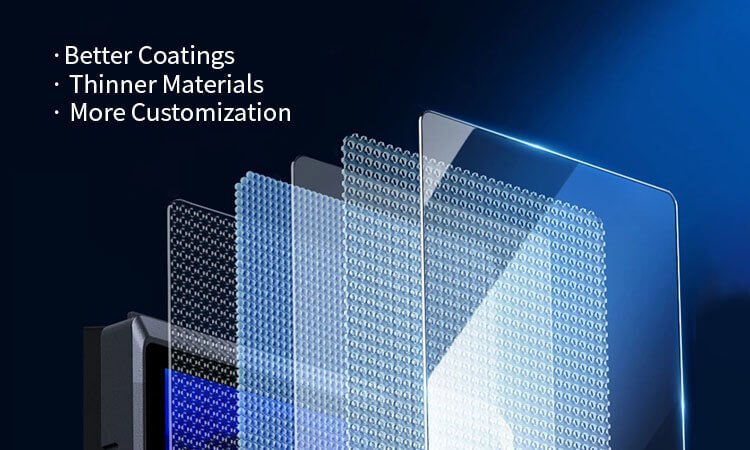
1. Better Coatings: Screen protectors will continue to get better at resisting scratches, fingerprints, and smudges. That means your screen will stay cleaner and look better for longer.
2. Thinner Materials: Researchers are working on thinner, stronger materials for screen protectors. That means you’ll get the same protection without the bulk.
3. More Customization: In the future, you might be able to customize your screen protector to fit your needs. That means you can protect your screen without sacrificing your style.
Conclusion
Screen protectors have come a long way. Whether you choose a plastic film, tempered glass, or liquid protector, each type has its own benefits. Understanding those differences can help you make the right choice for your device.