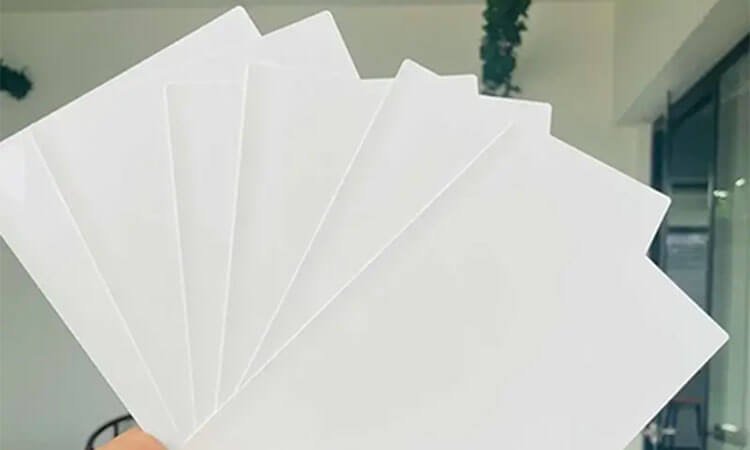
How to Choose the Right Thickness for Your Screen Protector
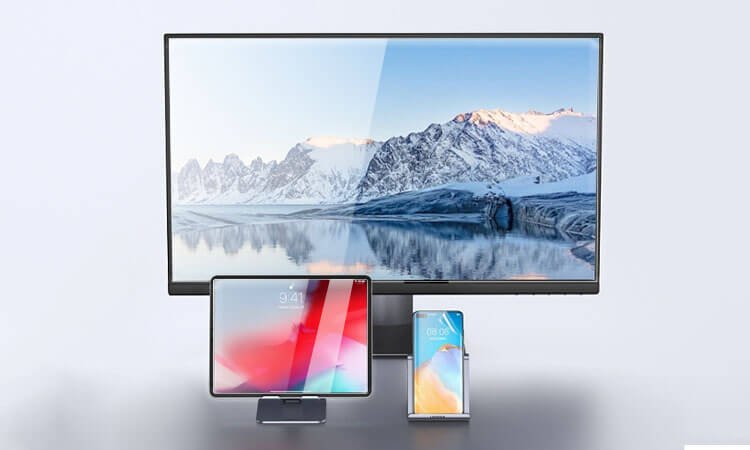
Choosing the right thickness for a screen protector can be a real head-scratcher. You’ve got all these different materials like TPU, PET, and glass to choose from. And you’re not sure which thickness is best for your smartphone or tablet. But don’t worry, I’ve got you covered. In this blog, I’m going to break it all down for you. I’ll explain the different types of screen protectors and tell you the ideal thickness for both smartphones and tablets.
Solution:
When you’re picking out a screen protector, you need to think about both the material and the thickness. That way, you can make sure you’re getting the best protection possible. Here’s what you need to know about choosing the right thickness for your screen protector based on the type of protector and the device you’re using:
Smartphones: You’ll usually want a thickness between 0.14mm and 0.2mm. TPU is great because it’s flexible and can heal itself. That makes it perfect for smartphones.
-
PET (Polyethylene Terephthalate) Screen Protectors:
Smartphones: You’ll usually want a thickness between 0.1mm and 0.2mm. This will give you basic scratch resistance.
Tablets: You’ll usually want a thickness between 0.15mm and 0.25mm. This will protect your tablet without messing up the touch sensitivity.
-
Glass Screen Protectors:
Smartphones: You’ll usually want a thickness between 0.3mm and 0.5mm. This will give you great protection against drops and scratches.
Tablets: You’ll usually want a thickness between 0.4mm and 0.6mm. This will make your tablet more durable and protect it from impacts.
let’s talk about screen protectors Thickness
They’re super important if you want your device to last and work properly. There are a bunch of different materials out there, each with their own strengths and features. It’s good to know what they’re all about so you can pick the right one for you.
TPU Screen Protectors
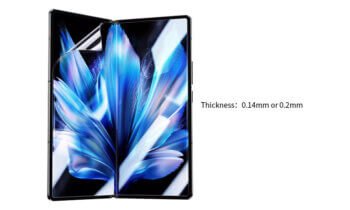
One of the cool things about TPU screen protectors is that they can heal themselves. They’re made out of this elastic material that can go back to normal after it gets scratched or dented. Also, TPU protectors are usually better at resisting oil and fingerprints than other materials. That means your screen stays cleaner for longer.
In the past, TPU protectors weren’t as good at taking a hit as glass protectors. But now, some companies have made TPU protectors that are super strong and won’t explode.For instance, REEDEE’s BU12 product offers a transparent appearance, smooth surface, water droplet angle ≥102°, light transmittance ≥91%, and a usage layer thickness of 0.25mm. This advanced TPU protector not only retains the self-healing properties but also provides exceptional impact resistance and anti-explosion capabilities.
They did this cool test where they put this protector on an iPhone 14 and hit it against a walnut over and over again until the walnut broke. When they took off the protector, the iPhone 14 screen was totally fine.
PET Screen Protectors
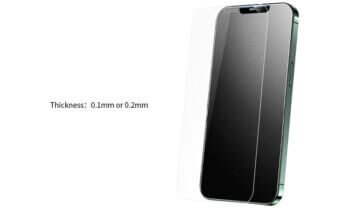
PET screen protectors are made from a type of plastic film that’s smooth and clear. They’re light and don’t make your device feel much bigger, so they’re good if you don’t want a big, bulky phone. But they don’t protect your screen as well as glass protectors, so they’re not good if you drop your phone a lot or hit it hard.
One cool thing about PET protectors is that they work great with stylus pens. That makes them perfect for people who use stylus pens a lot on their tablets for drawing or taking notes. If you’re looking for a really good writing experience on your tablet, like an iPad, you should check out REEDEE’s PSB24-1 Writing Film Screen Protector. It’s a top-of-the-line product that feels like writing on paper when you use it with an electronic pen. It won’t scratch when you write on it. It’s also anti-glare, so it’s great for drawing or sketching on your iPad. It’s 170μm thick and you can get it in different sizes and packaging. It’s a great screen protector that you can get customized to fit your needs.
Glass Screen Protectors
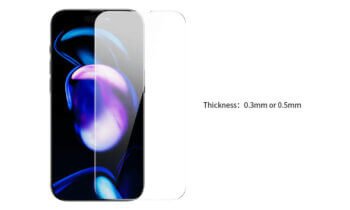
The best thing about glass screen protectors is that they give you top-notch protection against drops and scratches, without messing with how your screen looks or how it feels when you touch it. The glass is super smooth, just like your phone or tablet screen, so it feels great to use.
Glass protectors also have a special coating that stops fingerprints and smudges from showing up, so your screen stays cleaner for longer. But, they can be a bit more expensive than other types of protectors, and they might make your device a little bit thicker.
When you’re picking out a glass protector, make sure it’s got rounded edges (sometimes called “2.5D” edges) so it’s more comfortable to use and less likely to chip.
Conclusion:
In conclusion, selecting the right thickness for your screen protector is essential for ensuring the longevity and functionality of your device. By understanding the properties and benefits of different materials like TPU, PET, and glass, you can make an informed decision that balances protection with usability.
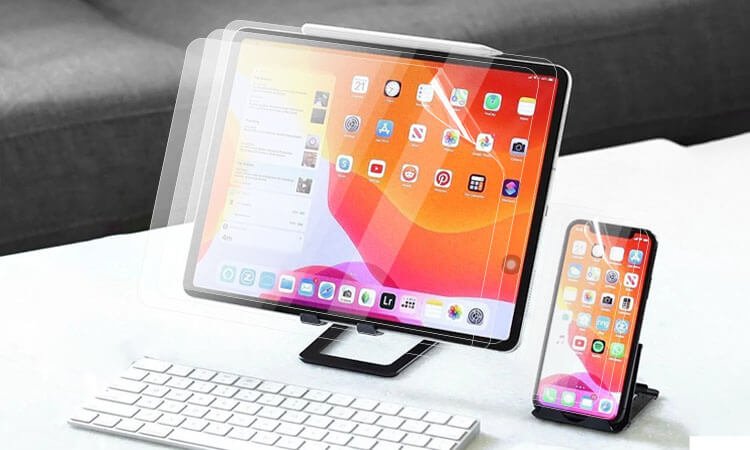
PET screen protectors are affordable and easy to install, offering basic scratch resistance with suitable thickness ranges of 0.1mm to 0.2mm for smartphones and 0.15mm to 0.25mm for tablets. They are also compatible with stylus pens, making them ideal for tablet users who frequently use stylus input.
If you want a really good screen protector for your tablet, especially if you have an iPad, you should try REEDEE’s PSB24-1 Writing Film Screen Protector. It feels like paper when you write on it, and it works perfectly with an electronic pen. It also has an anti-glare surface, so you can use it outside or in bright light. It’s perfect for artists! You can even get it made to fit your tablet exactly, and you can choose how it’s packaged.
Glass screen protectors deliver superior durability and clarity with recommended thickness ranges of 0.3mm to 0.5mm for smartphones and 0.4mm to 0.6mm for tablets. These protectors provide robust protection against drops and scratches without compromising touch sensitivity or display quality.
By choosing the right screen protector based on these guidelines, you can ensure that your device remains protected from everyday wear and tear while maintaining optimal performance.