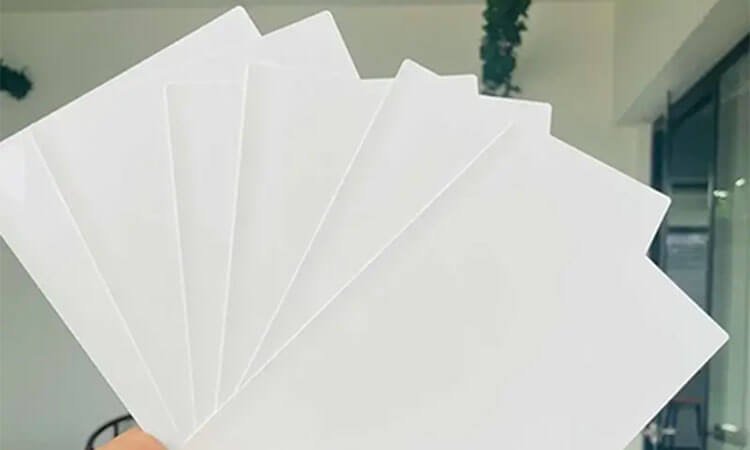
Flexible Screen Protectors vs. Tempered Glass
In today’s era of ubiquitous mobile devices, the physical integrity of device screens is crucial to ensure their longevity and functionality. Accordingly, screen protectors have become an essential accessory for safeguarding devices against everyday hazards such as scratches, dirt, and impacts. This blog explores two major types of screen protectors: flexible screen protectors, particularly those made from thermoplastic polyurethane (TPU), also known as hydrogel screen protectors, and tempered glass protectors, highlighting their evolution, features, benefits, and limitations.
Understanding Screen Protectors
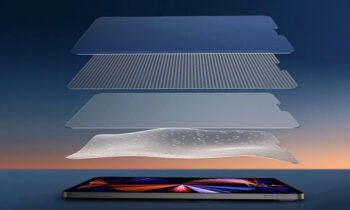
Screen protectors are designed to act as a defensive layer, placed over the device’s original screen to shield it from external damage. Initially, these protectors were merely thin plastic films, but with technological advances, they have evolved into sophisticated products made from various materials, each offering different levels of protection and user experience.
Types of Screen Protectors
Tempered Glass Screen Protectors
These protectors are made from a multi-layered composition that includes a shock-absorbent silicone layer, a PET film, and an oleophobic nano-coating that repels oils. They are known for their high scratch resistance and crisp display clarity. However, their rigidity can be a drawback as they are prone to shattering upon severe impact, which necessitates their complete replacement.
Flexible Screen Protectors
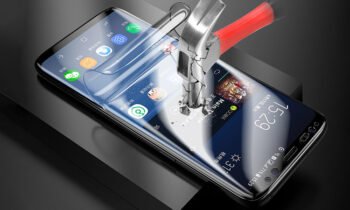
also known as Hydrogel Screen Protectors/TPU Screen Protectors. Made from thermoplastic polyurethane, these screen protectors offer remarkable flexibility and excellent impact absorption. The material’s elasticity allows it to absorb shock and reduce the risk of screen breakage effectively. Advanced versions, such as REEDEE’s sk2365 material, have been engineered to closely mimic the feel of glass, enhancing the user experience while maintaining high protective qualities.
How Do Flexible Screen Protectors Work?

Flexible Screen Protectors vs. Tempered Glass
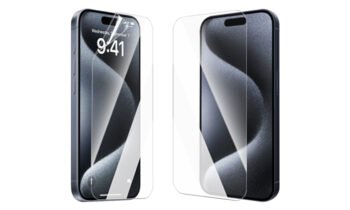
- Durability and Protection Level:TPU screen protectors excel in impact protection and durability, capable of withstanding multiple drops without needing replacement. Tempered glass, while offering superior scratch resistance, must be replaced after major impacts.
- Sensitivity and User Experience:Recent advancements in TPU technology have allowed these protectors to approximate the tactile feel of glass, providing a smooth user experience without compromising on responsiveness. Tempered glass protectors continue to offer a premium feel but lack the flexibility of TPU.
- Aesthetics and Visibility:Both types maintain high transparency, though tempered glass typically offers a slight edge in maintaining the vibrancy and clarity of the screen display.
- Cost-Effectiveness:Considering replacement frequency and durability, TPU screen protectors generally offer better cost-efficiency for users who are prone to dropping their devices.
Consumer Guidance
Guidance for Individual Buyers:
Selecting the appropriate screen protector involves assessing personal usage habits. Those frequently in motion or working in challenging environments should consider the robust and self-healing properties of TPU screen protectors. Proper installation and routine maintenance can maximize the lifespan and effectiveness of the screen protector.
Guidance for Enterprise Buyers:
For businesses, ensuring the longevity of devices is key to maintaining operational efficiency and resale value. When selecting screen protectors in bulk, considerations should include the frequency of device usage, potential impact exposure, and budget constraints. TPU protectors, offering durability and fewer replacements, might be ideal for high-impact environments.
Conclusion:
Choosing between flexible TPU screen protectors and tempered glass involves a nuanced understanding of each material’s strengths and weaknesses relative to specific user and business needs. By carefully evaluating these factors, users and enterprises can make informed decisions that align with their requirements, ensuring optimal protection for their devices.
We encourage readers to share their personal experiences and preferences regarding screen protectors in the comments section below. Feedback on the performance and feel of different materials, especially from those in enterprise environments, is invaluable. Your insights contribute to a broader understanding of the practical impacts of screen protector choices.