Exploring TPU Screen Protectors: Features, Benefits, and Comparisons with Other Materials
2026-06-15
What is Thermoplastic Polyurethane screen protectors?
Yo, folks! In this day and age, we gotta keep our devices safe and sound. That’s where Thermoplastic Polyurethane (TPU) screen protectors, also known as Hydrogel screen protectors, come in. They’re all the rage right now. But what’s so special about TPU? Well, this blog is gonna break it down for ya. We’ll talk about what TPU is, why it’s awesome, and how it stacks up against other materials like PET and tempered glass. Whether you’re a tech geek or just someone who wants to keep their device in one piece, knowing the benefits of TPU screen protectors will help you make a smart choice.
What is TPU?
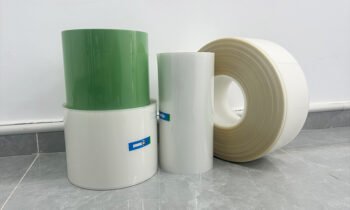
Thermoplastic Polyurethane, or TPU, is a versatile polymer known for its elasticity, transparency, and resistance to oil and grease. Used in various industries, from automotive to medical, TPU’s unique properties make it an excellent material for screen protectors. Its flexibility and durability are unmatched, making it a preferred choice for many applications. For example, in the automotive industry, TPU is used for interior parts due to its resistance to abrasion and its ability to withstand various environmental conditions. In the medical field, TPU is used for making flexible tubes and various medical devices, thanks to its biocompatibility and durability. These diverse applications highlight the robustness and adaptability of TPU, making it an ideal material for screen protection.
Features of TPU Screen Protectors
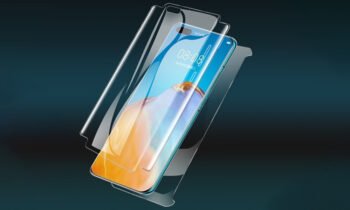
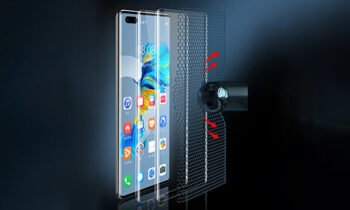
Flexibility and Durability:TPU screen protectors are highly flexible, allowing them to absorb impacts without cracking. They offer excellent durability, ensuring long-lasting protection. This flexibility also means that TPU protectors can conform to the contours of the device, providing edge-to-edge protection.
Clarity and Transparency:These protectors provide crystal-clear visibility, maintaining the original screen quality. The high transparency of TPU ensures that the screen’s brightness and color accuracy are not compromised.
Sensitivity and Touch Responsiveness:TPU maintains the touch sensitivity of the device, ensuring a seamless user experience. This means that gestures like swiping, tapping, and pinching work just as well as they would on the unprotected screen.
Installation and Maintenance:Easy to install and maintain, TPU screen protectors can be applied without bubbles and are easy to clean. The self-healing properties of TPU also mean that minor scratches can disappear over time, keeping the protector looking new.
Benefits of TPU Screen Protectors
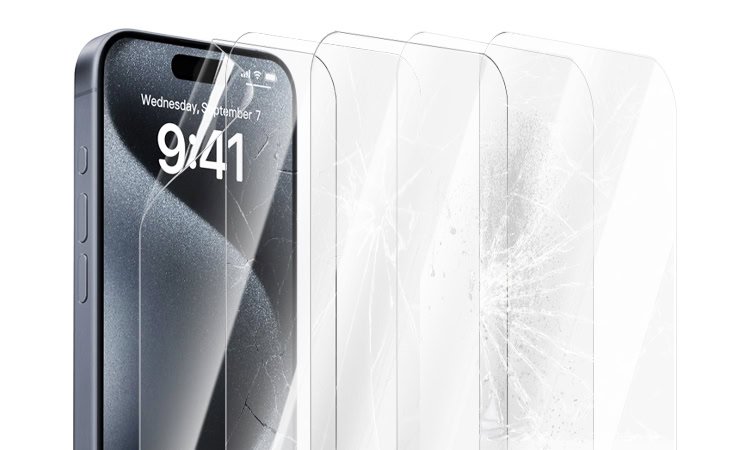
Superior Protection:TPU offers robust protection against scratches, impacts, and daily wear and tear. Whether you accidentally drop your phone or it comes into contact with sharp objects, a TPU screen protector can significantly reduce the risk of screen damage.
Longevity and Cost-Effectiveness:Due to their durability, TPU screen protectors last longer, providing better value for money. Investing in a quality TPU protector can save you from frequent replacements and potential screen repairs.
Enhanced User Experience:With their clear visibility and excellent touch sensitivity, TPU screen protectors enhance the overall user experience. The clarity ensures that you enjoy the full visual experience of your device, while the touch responsiveness ensures that your interactions with the device remain smooth and intuitive.
Material Properties:TPU is more flexible and impact-resistant than PET, which is stiffer and more prone to cracking. PET protectors are generally thinner and can feel more rigid, which might not provide the same level of impact absorption as TPU.
Durability:TPU offers better long-term protection compared to PET. While PET protectors can be effective against scratches, they might not hold up as well against drops and impacts. Over time, PET protectors can develop cracks or peel away from the screen, whereas TPU protectors remain intact and functional. This durability makes TPU a cost-effective choice in the long run, as it reduces the need for frequent replacements.
Environmental Impact:PET is more recyclable, but TPU’s longevity reduces the frequency of replacements, potentially lowering environmental impact over time. While TPU is not as easily recyclable as PET, its extended lifespan means fewer protectors end up in landfills. Additionally, some manufacturers are working on improving the recyclability of TPU materials. Environmental studies comparing the lifecycle of TPU and PET screen protectors suggest that the longer lifespan of TPU can offset its lower recyclability, making it a more sustainable choice in certain contexts.
Market Preferences:In the market, PET screen protectors are often preferred for their lower cost and ease of mass production. However, TPU protectors are gaining popularity due to their superior properties and longer life span. Wholesale buyers often consider TPU protectors for premium devices where durability and user experience are critical.
TPU vs. Tempered Glass Screen Protectors:
Material Properties: Tempered glass screen protectors are known for their hardness and ability to prevent screen shattering. However, they are less flexible compared to TPU and can crack upon impact.
Use Cases: Tempered glass is often preferred for users who prioritize maximum hardness and a glass-like feel. TPU, on the other hand, is chosen for its flexibility and self-healing properties.
User Preferences: Users who want a protector that feels like the original screen might prefer tempered glass. However, those who need a flexible, durable option that can handle impacts and minor scratches might lean towards TPU.
Market Trends: Tempered glass protectors are highly popular in the market due to their premium look and feel. However, TPU protectors are increasingly being adopted for their versatility and cost-effectiveness. Bulk purchasers may opt for TPU protectors to offer a more durable and affordable solution to consumers.
Wholesale Considerations: For wholesalers, tempered glass protectors might have higher initial costs and require careful handling during shipping to avoid breakage. TPU protectors, being more flexible and durable, reduce the risk of damage during transportation, making them a more economical choice for bulk orders.
Material Properties:Silicone screen protectors are known for their soft, rubbery texture, which provides excellent shock absorption. However, they are less transparent compared to TPU and can attract dust and lint.
Durability:While silicone protectors offer good impact resistance, they can become discolored and lose their adhesive properties over time. TPU protectors, with their self-healing properties, maintain their appearance and functionality longer.
Market Preferences:Silicone protectors are often chosen for rugged environments where maximum shock absorption is needed. TPU protectors, with their balance of flexibility and clarity, are preferred for everyday use.
Wholesale Considerations:Wholesalers might find silicone protectors appealing for niche markets, such as outdoor or industrial applications. However, TPU protectors offer broader appeal due to their versatility and longevity, making them a safer bet for large-scale distribution.
TPU vs. Nano Liquid Screen Protectors:
Material Properties:Nano liquid screen protectors are applied as a liquid that hardens to form a protective layer. They offer a completely invisible protection but lack the impact resistance of TPU.
Durability:Nano liquid protectors can wear off over time and need reapplication. TPU protectors, being a physical layer, offer more consistent and long-lasting protection.
User Preferences:Users who prefer a completely invisible protector might opt for nano liquid solutions. However, those who need reliable impact and scratch resistance will likely choose TPU.
Market Trends:Nano liquid protectors are still relatively new in the market and are often marketed as a high-tech solution. TPU protectors, with their proven performance, continue to dominate the market. Wholesalers might stock nano liquid protectors as a premium option but will likely rely on TPU protectors for steady sales.
Wholesale Considerations:Nano liquid protectors are lightweight and easy to ship, but their need for reapplication can be a drawback for long-term customer satisfaction. TPU protectors, with their durability and ease of use, provide a more reliable product for wholesalers to offer.
Conclusion
In summary, TPU screen protectors, also known as Hydrogel screen protectors, offer a unique blend of flexibility, durability, and clarity, making them an excellent choice for device protection. When choosing a screen protector, consider your specific needs and device specifications to find the best material for you. Whether you prioritize impact resistance, touch sensitivity, or environmental considerations, TPU provides a balanced solution that caters to various user preferences. By understanding the features and benefits of TPU, along with its comparisons to other materials, you can make an informed decision that ensures the longevity and usability of your device.