Comprehensive Guide to Screen Guard Materials: Tempered Glass, PET, and TPU
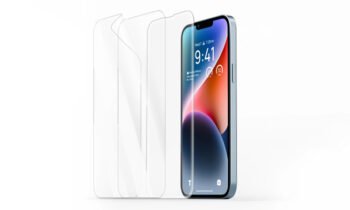
Tempered Glass vs. PET vs. TPU
When it comes to choosing the right screen guard material, understanding the options available can make a significant difference. Tempered glass, PET (Polyethylene Terephthalate), and TPU (Thermoplastic Polyurethane) are the three main types. Each material offers unique benefits and drawbacks, and their suitability depends on the specific needs of the user. This guide will help you make an informed decision by exploring the characteristics and applications of each material.
Tempered Glass

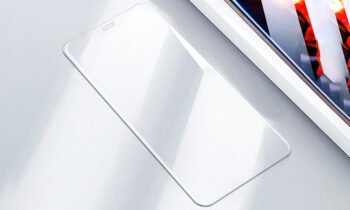
- Durability:Tempered glass is highly durable and offers excellent protection against scratches and impacts.
- Clarity:It provides superior clarity and does not affect the display quality.
- Touch Sensitivity:Maintains the touch sensitivity of the device.
- Cost:More affordable due to advancements in automated production processes.
Disadvantages:
- Thickness:It is thicker compared to other materials, which might affect the device’s aesthetics.
Development History:
Tempered glass has been used for decades in various industries, including automotive and construction, before being adapted for electronic devices. The process involves heating the glass to high temperatures and then rapidly cooling it, which increases its strength.
Manufacturing Process:
The manufacturing process of tempered glass screen protectors involves cutting the glass to the desired shape, polishing the edges, and then tempering it. The advancements in automation have significantly reduced production costs. An oleophobic coating is often applied to resist fingerprints and smudges.
Market Trends:
Tempered glass screen protectors are popular due to their high protection level and cost-effectiveness. The market sees continuous innovation, such as the introduction of curved and privacy tempered glass protectors.
PET (Polyethylene Terephthalate)
- Cost-Effective:PET screen protectors are generally cheaper than tempered glass.
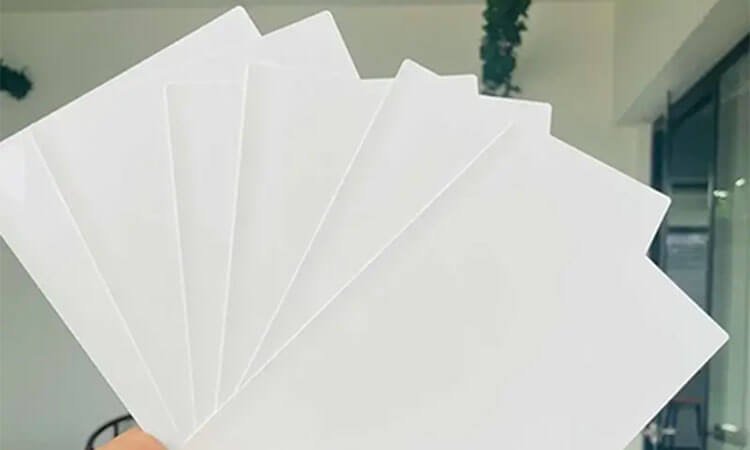
- Thin and Lightweight:They are very thin and do not add bulk to the device.
- Clarity:Offers decent clarity and does not significantly affect display quality.
Disadvantages:
- Scratch Resistance:Less scratch-resistant compared to tempered glass.
- Impact Protection:Provides minimal protection against drops and impacts.
Development History:
PET has been used in various applications, including packaging and textiles, before being adapted for screen protectors. Its flexibility and transparency make it suitable for this purpose.
Manufacturing Process:
The process involves extruding PET film, cutting it to size, and applying adhesive layers. The film is then coated to improve its scratch resistance and clarity.
Market Trends:
PET screen protectors are favored for budget-friendly devices and mass production. Recent trends include the development of anti-glare and anti-fingerprint coatings.
TPU (Thermoplastic Polyurethane)
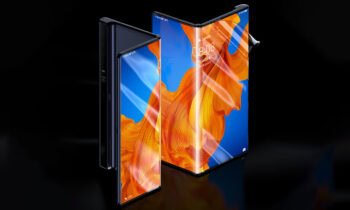
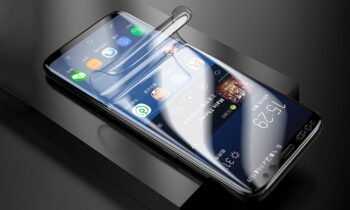
- Flexibility:TPU is highly flexible and can cover curved screens.
- Self-Healing:Minor scratches on TPU protectors can self-heal over time.
- Thin and Lightweight:Similar to PET, it is thin and does not add bulk.
Disadvantages:
- Clarity:May slightly affect display clarity compared to tempered glass.
- Installation:Can be more challenging to install without bubbles.
Development History:
TPU was initially used in industrial applications for its durability and flexibility. Its properties make it an excellent material for screen protectors, especially for devices with curved screens.
Manufacturing Process:
TPU screen protectors are produced by extruding the TPU material, cutting it to the desired shape, and applying adhesive layers. The material is then treated to enhance its self-healing properties.
Market Trends:
TPU screen protectors are gaining popularity for their flexibility and self-healing capabilities. Innovations include improved clarity and easier installation methods.
Conclusion