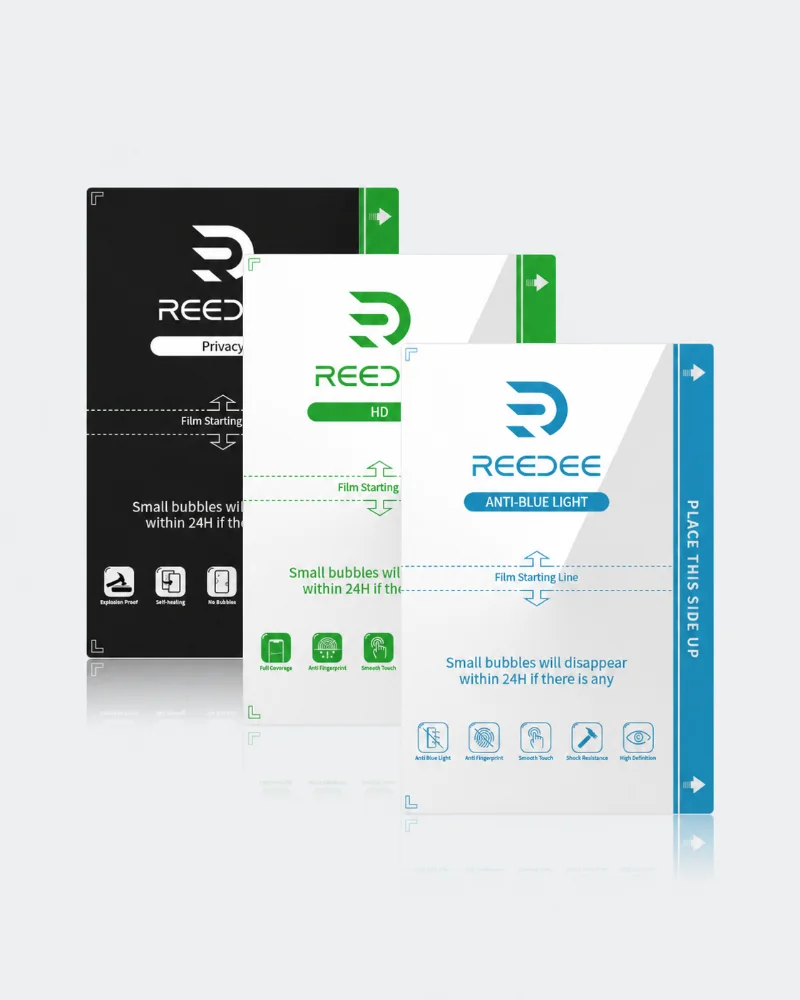
Screen Protector Roll Material Manufacturer
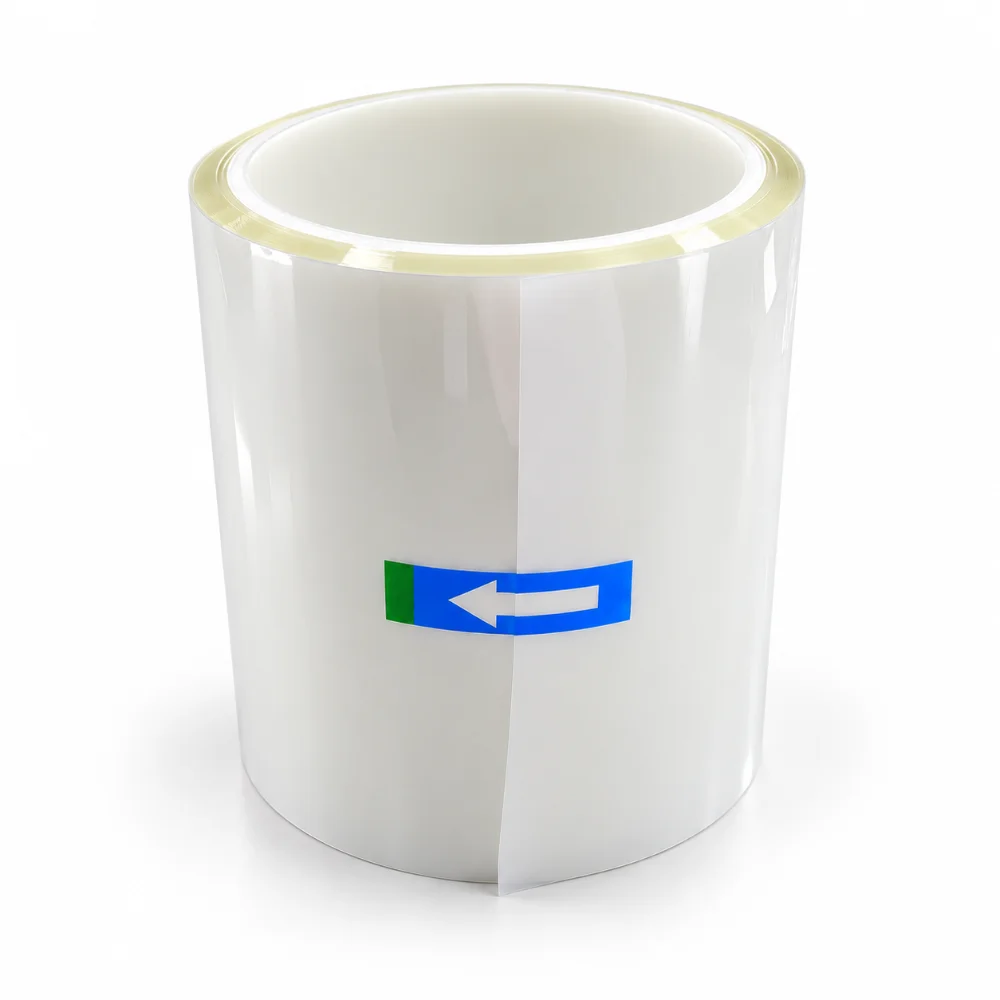
REEDEE supplies EPU, TPU and PET film rolls for screen protector production and display-surface protection. We provide material customization, slitting, die-cutting and private-label services.
Custom Roll Sizes & Slitting
探検する Screen Protector Film Rolls
Compare representative EPU, TPU and PET roll materials by function and quickly find the right model for your screen protector project.
材料 応用
Our film rolls can be converted into protective films for flat, curved and foldable electronic displays. Common formats include universal sheets for smart cutting machines and die-cut protectors.

Cutting Film Sheets
(Film rolls converted into sheets for compatible smart cutting machines.)

Phone Screen
(Device-specific protectors for flat, curved and selected foldable screens.)
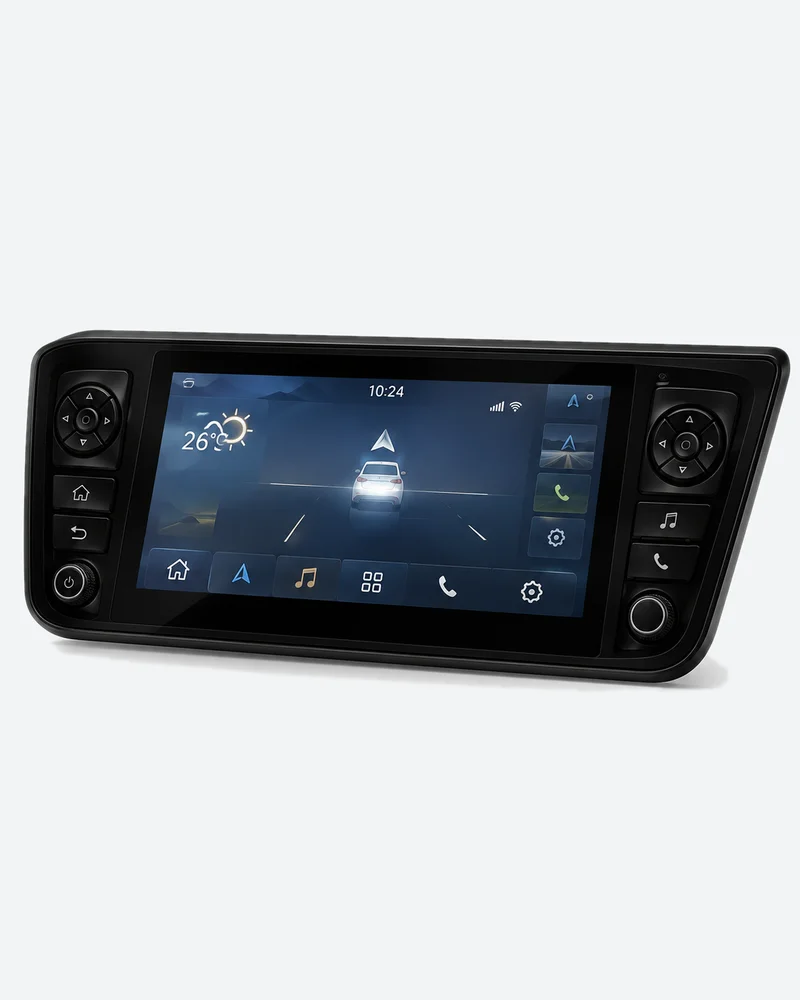
Navigation Screen
(Die-cut films for navigation and other automotive display surfaces.)
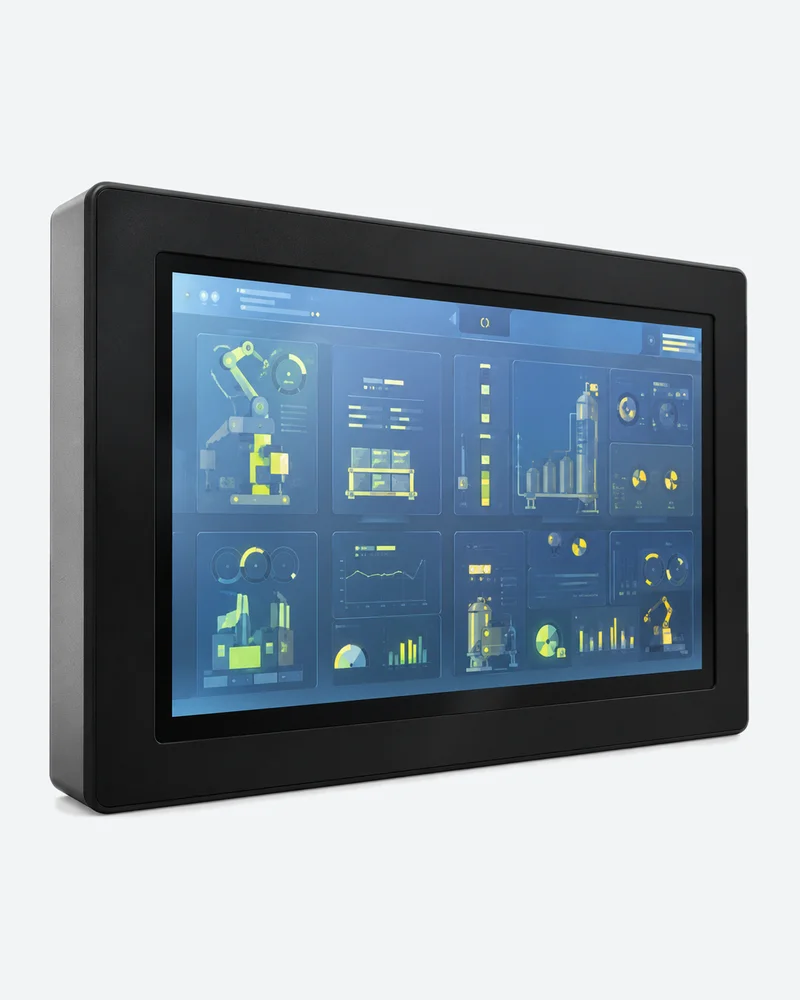
Industrial Touch
(Device-specific protectors for flat, curved and selected foldable screens.)

Laptop & Monitor
(Films converted to required dimensions for computers and displays.)

Cutting Film Sheets
(Film rolls converted into sheets for compatible smart cutting machines.)

Phone Screen
(Device-specific protectors for flat, curved and selected foldable screens.)

Navigation Screen
(Die-cut films for navigation and other automotive display surfaces.)

Industrial Touch
(Device-specific protectors for flat, curved and selected foldable screens.)

Laptop & Monitor
(Films converted to required dimensions for computers and displays.)
なぜ選ぶのか REEDEE?
01
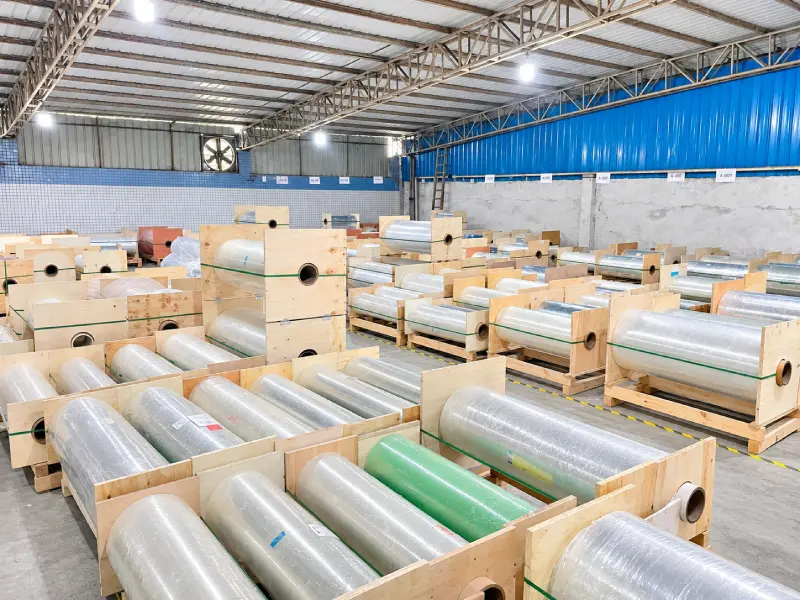
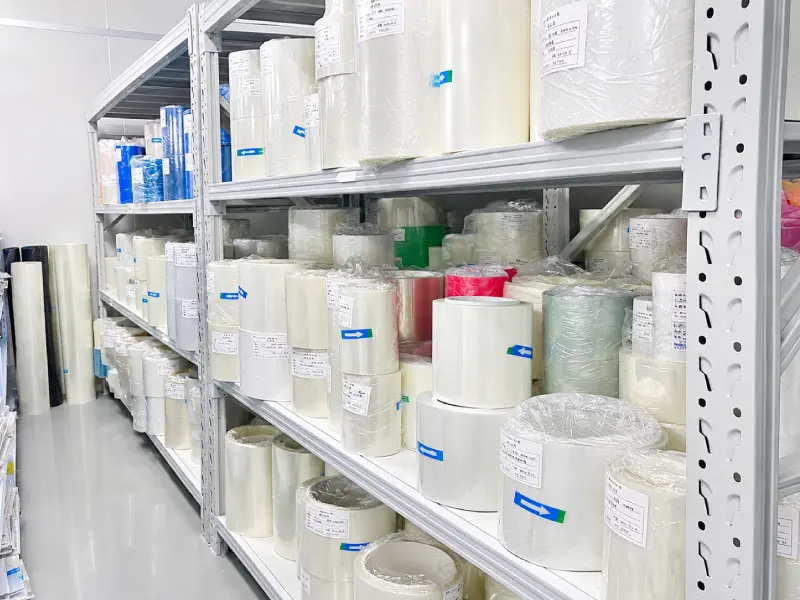
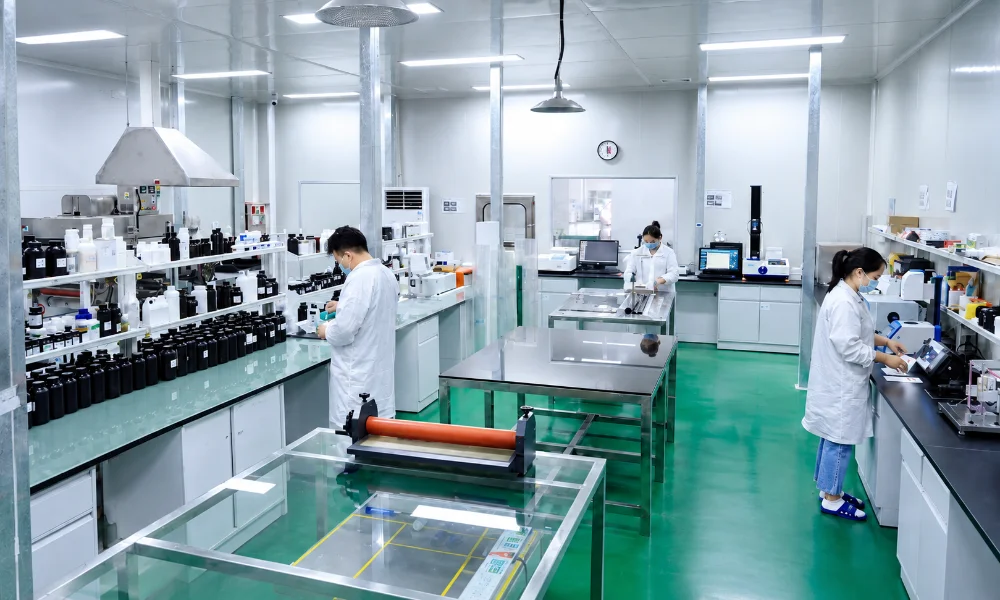
R&D and Manufacturing
Our laboratory supports material development and performance testing. With a 10,000 m² manufacturing facility and four coating lines, we provide coating, laminating, slitting and converting services.
02
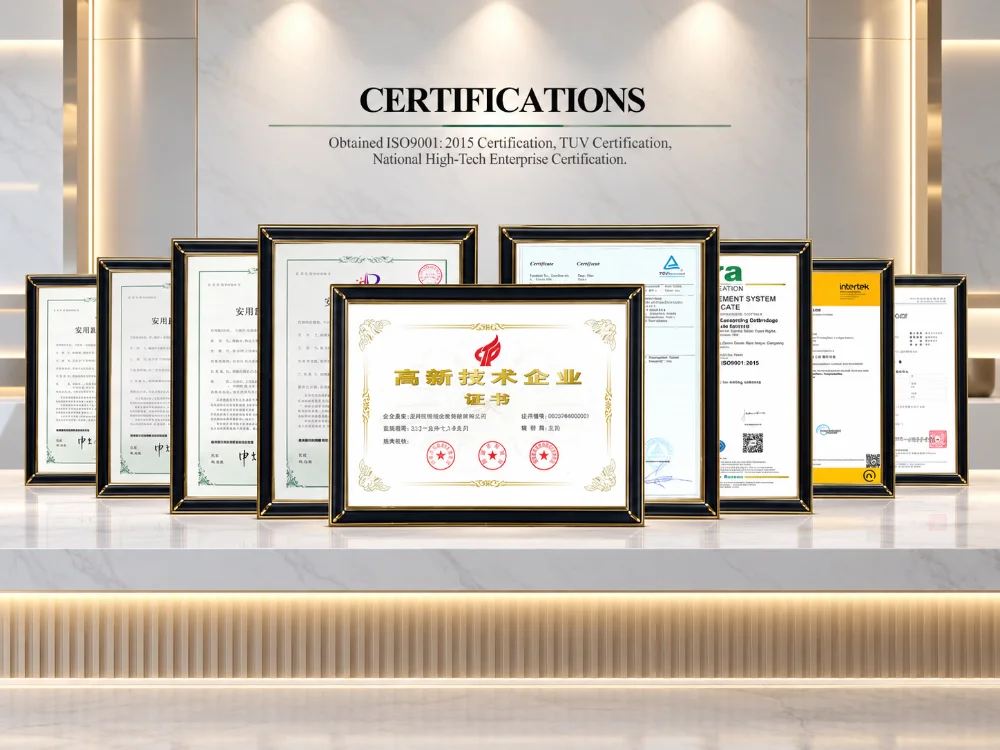
Certifications and Compliance
Our management systems are certified to ISO9001:2015, ISO14001:2015, ISO45001:2018, CE, GRS. Product compliance and test documents are provided according to the selected material and project requirements.
03
Dedicated Customer Support
A dedicated contact supports your requirements from inquiry through sampling and order coordination, with clear communication and responses to all inquiries within 24 hours, promptly and efficiently.
PROJECT EVALUATION
Need Help Choosing EPU, TPU or PET?
Tell us your material requirements. REEDEE can recommend a suitable EPU, TPU or PET material route and support sample validation before mass production.
よくある質問
Materials & Functions
Q1. What Is a Hydrogel Screen Protector?
A: Hydrogel is a common market term for flexible film screen protectors. The term alone does not identify a specific film construction or performance level. Check the actual material, coating, adhesive and thickness when comparing products.
Q2. PET vs TPU vs EPU: What Is the Difference?
A: These materials differ in flexibility, construction and available surface functions. REEDEE’s PET screen-protection range is intended for flat screens, while suitable TPU and EPU grades can be evaluated for curved or foldable displays. Compare individual grades against the application rather than using material names as a universal quality ranking.
Q3. Matte vs Clear Screen Protectors: Which Should You Choose?
A: Clear films prioritize display clarity, while matte films use a surface that diffuses reflections. Matte finishes can change haze and perceived image sharpness. Choose according to the viewing environment, desired surface feel and acceptable optical trade-offs.
Applications & Performance
Q1. AG vs AR Film: How Do They Control Reflections?
A: AG diffuses reflected light through a textured surface. AR reduces reflected light through an optical coating or construction. They use different approaches and should be compared using the selected grade’s optical data and the intended viewing conditions.
Q2. What Does Self-Healing Mean for a Screen Protector?
A: Self-healing describes the recovery of minor surface marks under specified conditions. Recovery time depends on the film grade, scratch method and test environment. It does not mean every scratch or deep cut disappears; compare products using equivalent test conditions.
Q3. Which Films Can Be Used on Curved or Foldable Screens?
A: Suitable TPU and EPU grades can be evaluated for curved or foldable-screen protection. Thickness, adhesive, construction and bending conditions affect suitability. Select the grade and validate it on the target application; flexibility alone does not establish compatibility with every device.
Processing & Customization
Q1. How Are Film Rolls Converted into Screen Protectors?
A: Film rolls can be slit into narrower rolls, converted into cutting sheets or die-cut into device-specific shapes. The supply format depends on the processing equipment, film construction and finished-product requirements. Confirm the required format before purchasing.
Q2. What Is the Difference Between Film Thickness and Application-Layer Thickness?
A: Base-film thickness, application-layer thickness and total supplied thickness describe different measurements. The total supplied thickness can include removable protective films and liners. Compare grades using the same definition and request a layer diagram when necessary.
Q3. How Are Custom Screen Protectors Made for Different Devices?
A: Customization combines material selection with size, shape, cutouts and branding requirements. Drawings, samples or confirmed screen dimensions guide the converting process. Material and fit are evaluated before the final specification is used for production.
Ordering & Support
Q1. What is the MOQ for material rolls?
A: Our general reference for optical PET, TPU and EPU material rolls is 200 meters. The actual MOQ depends on the product, dimensions, availability and customization. Sample quantities and development orders are reviewed separately.
Q2. What are the production and lead times?
A: General reference lead times are 1–3 days for samples, 3–10 days for customization, and 7–30 days for volume production. The agreed schedule depends on material availability, specifications, quantity and project complexity. Shipping time is additional.
Q3. What shipping options are available?
A: Shipping arrangements, freight costs and delivery terms are confirmed for each order. Share the destination and any nominated-forwarder requirements when requesting a quotation.
Q4. What is your sample policy?
A: Samples can be arranged for material and processing evaluation. Sample format, quantity, availability, charges and shipping arrangements are confirmed according to the selected product and requirements
Q5. How do you handle after-sales issues?
A: For a product or processing issue, provide the order details, affected quantity, photos and relevant test information. Our team will review the issue against the agreed specifications and discuss the next steps with you.
Q6. What are your payment terms?
A:Payment methods and payment timing are specified in the quotation or order agreement. Confirm the current terms with our team before placing an order.
Q7. What information is needed for a quotation?
A: Share the material or product if known, required functions, dimensions, quantity, delivery destination and packaging needs. For custom development, include the target performance and processing requirements. If the material is undecided, describe the application.